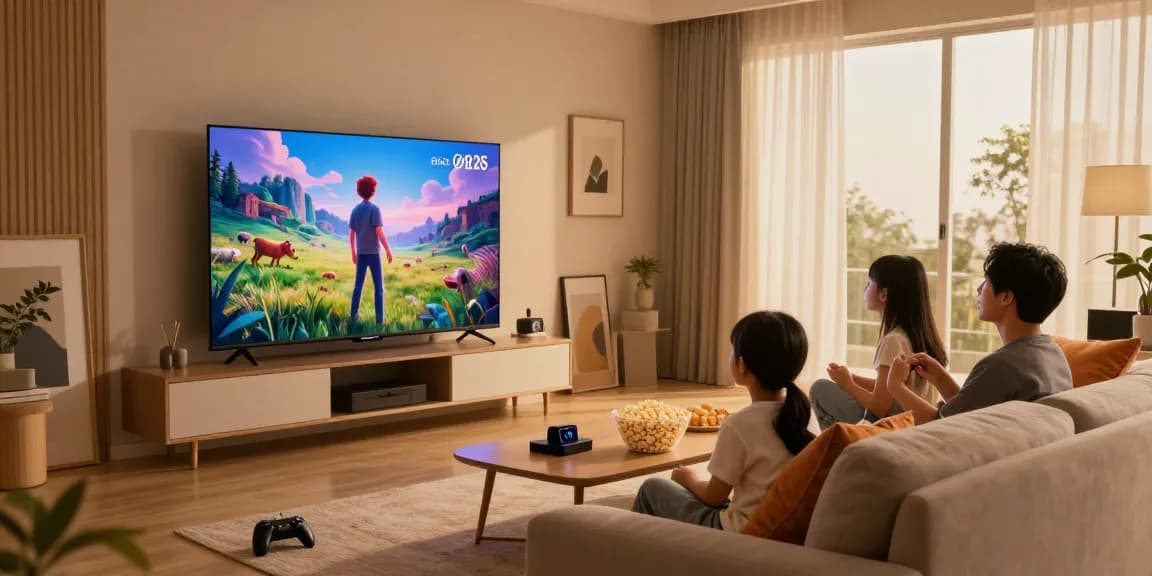
Understanding OLED Technology for 2026
As we step into 2026, OLED technology is transforming the home entertainment landscape with its groundbreaking advancements and unparalleled viewing experiences. OLED, which stands for Organic Light Emitting Diode, represents a significant leap forward from traditional LED LCD displays. It utilizes organic materials that emit light when electricity is applied, allowing for picture quality that is typically unrivaled in color accuracy, contrast, and response time. When exploring options, OLED TV 2026 provides comprehensive insights into the latest developments in this technology.
What is OLED Technology?
OLED technology operates on a fundamentally different principle compared to conventional LCD screens. Unlike LCDs, which require a backlight to illuminate the pixels, OLED panels generate their own light. Each pixel in an OLED display is an independent light source, which means that OLED screens can achieve true blacks by turning off individual pixels completely. This capability results in a dramatic contrast ratio, enhancing the depth and vibrancy of images. Additionally, OLED panels are thinner, more flexible, and can be made into curved or even rollable formats, providing designers and manufacturers with exciting possibilities.
Advantages of OLED Displays
- Superior Contrast: Thanks to their ability to produce true blacks, OLED displays offer superior contrast compared to traditional LCDs.
- Wide Viewing Angles: Colors and brightness remain consistent regardless of the angle from which the screen is viewed.
- Fast Response Times: OLED panels exhibit rapid response rates, reducing motion blur and flicker during fast-moving scenes, making them ideal for gaming and action movies.
- Sleek Design: The absence of a backlight allows manufacturers to create ultra-thin displays, which blend seamlessly into modern living spaces.
Common Misconceptions about OLED TVs
Despite their popularity, several misconceptions about OLED technology persist. One prevalent myth suggests that OLED screens are overly susceptible to image burn-in, which occurs when static images remain on the screen for prolonged periods. While burn-in can happen, modern OLED models incorporate advanced mechanisms to mitigate this risk, making the issue far less common than it once was. Another misconception is that OLED TVs are always significantly more expensive than their LED counterparts. Although they often come at a higher price point, the gap is narrowing as production costs decrease and more brands enter the market.
Top OLED TV Models Launching in 2026
Best Overall OLED TVs for Every Budget
As 2026 unfolds, consumers can expect to see an impressive range of OLED televisions catering to various budgets. High-end models, such as LG's G6 series, offer cutting-edge features like enhanced HDR capabilities and higher brightness levels for an even more immersive viewing experience. Mid-range options, like the Samsung S90F, provide excellent picture quality without breaking the bank. On the more budget-friendly side, models like Vizio's OLED offering are making remarkable strides, combining affordable pricing with solid performance metrics.
Comparison of Leading Brands' Offerings
In the competitive OLED market, several brands stand out:
- LG: Known for its superior panel technology, LG's OLEDs offer the best contrast and vibrant colors.
- Samsung: With its Quantum Dot technology, Samsung’s OLEDs achieve higher brightness levels, enhancing HDR performance.
- Pioneer: Famous for its performance in color accuracy, Pioneer is pushing the boundaries with displays that appeal to professional users.
- Sony: Sony's OLEDs stand out with their superior processing technology, which enhances motion handling and detail.
Special Features to Look for in 2026 Models
While shopping for an OLED TV in 2026, look for features that enhance your viewing experience:
- HDR Support: High Dynamic Range (HDR) technology allows for a more dynamic range of colors and brightness levels.
- Smart Connectivity: Ensure the model supports the latest streaming apps, voice assistants, and screen-sharing capabilities.
- Gaming Features: Look for HDMI 2.1 support, high refresh rates, and variable refresh rate technology to ensure compatibility with next-gen gaming consoles.
- Built-in Calibration Tools: Some models come with built-in tools that assist in adjusting the display settings for optimal viewing.
Best Practices for Choosing an OLED TV in 2026
Evaluating Size and Space Requirements
When selecting an OLED TV, size should be one of your primary considerations. Measure the space where you plan to set up your new TV, keeping in mind viewing distances. For example, a 55-inch model is suitable for smaller rooms, while a larger 75-inch or 85-inch screen is ideal for spacious living areas. Additionally, consider wall-mounted displays that can save space and enhance the aesthetic of your home.
Understanding Picture Quality Enhancements
Not all OLED displays are created equal. As manufacturers compete, look for models that highlight advancements in picture quality, particularly in brightness and color accuracy. Technologies like OLED evo from LG enhance brightness levels without compromising effectiveness, essential for viewing in brightly lit rooms.
Considering Smart Features and Connectivity
Modern OLED TVs come equipped with various smart features for seamless connectivity. Look for models supporting Wi-Fi 6 or Ethernet connections for faster streaming. The integration of voice-activated assistants like Google Assistant and Amazon Alexa has also become standard, allowing for hands-free control of your home entertainment system.
Setting Up and Optimizing Your OLED TV
Installation Tips for Maximum Performance
Proper installation of your OLED TV can significantly impact its performance. Ensure that the TV is mounted at eye level to enhance comfort during viewing. Avoid placing the TV in direct sunlight to minimize glare and potential color distortion. Using an external sound system can also enhance the audio experience, as built-in speakers may not do full justice to high-quality video.
Calibration Settings for Ideal Viewing
Before diving into your favorite movies or games, calibrate your OLED TV for the best picture quality. Utilize built-in calibration tools or consider hiring a professional service for advanced calibration. Adjust settings like brightness, contrast, and color temperature according to your viewing environment. Many TVs also offer preset modes for different types of content (e.g., sports, cinema) that can simplify this process.
Integrating Smart Home Compatibility
Integrating your OLED TV into your smart home ecosystem enhances functionality. Ensure compatibility with other smart devices, like lights and thermostats, to create automated settings. For instance, you could configure your lights to dim automatically when you start a movie.
Future Trends and Developments in OLED Technology
Emerging Innovations to Watch Beyond 2026
Technological advancements in OLED technology are expected to accelerate rapidly. Future innovations may include even higher resolutions, such as 8K displays, and further improvements in energy efficiency. Flexible and transparent OLEDs are also being developed, which could open new avenues for display designs, such as OLED wallpaper or foldable televisions.
Environmental Considerations and Sustainability
As awareness of environmental issues rises, manufacturers are increasingly focused on creating sustainable products. In the coming years, expect to see initiatives aimed at reducing e-waste and promoting recycling programs for old TV units. Efforts to enhance energy efficiency during production and offer more eco-friendly materials are also being prioritized.
Expert Insights on the Future of Home Entertainment
Industry experts predict that as OLED technology evolves, the viewing experience will become more immersive than ever. The integration of augmented reality and virtual reality features into home entertainment systems could redefine how we consume content. As we transition into a more digital future, OLED technology will undoubtedly play a crucial role in enhancing the quality and accessibility of home entertainment.