
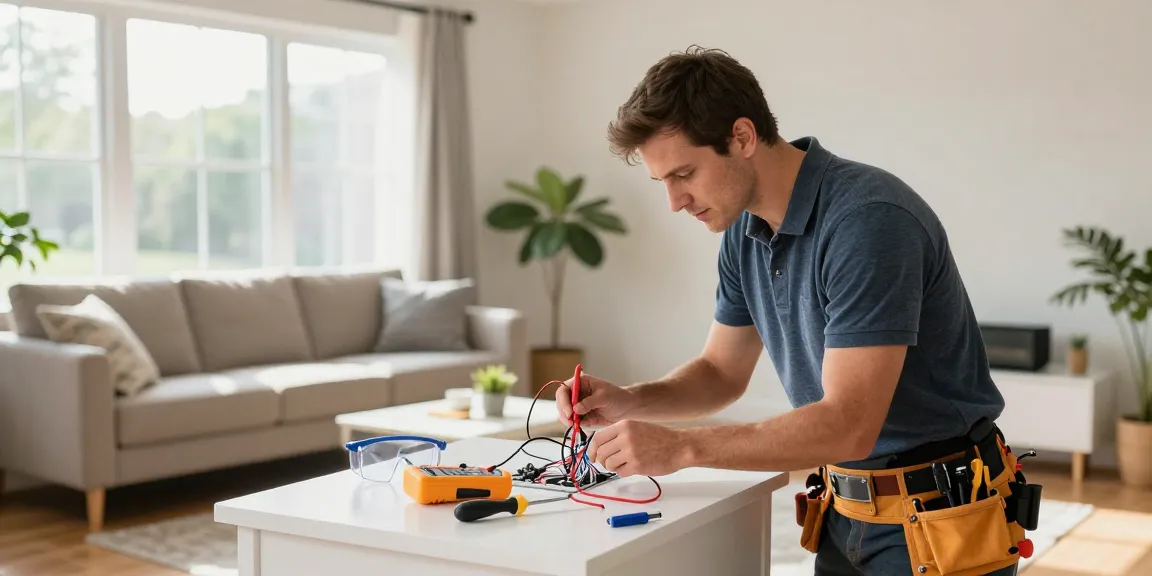
Understanding the Role of Electricians in Home Safety
Electricians play a crucial role in ensuring the safety and functionality of our home electrical systems. As the backbone of modern living, electrical systems power our homes, providing lighting, heating, cooling, and the operation of essential appliances. Homeowners in Stevens Point, WI, rely heavily on the expertise of a qualified electrician Stevens Point WI to address a wide range of electrical issues while maintaining a safe living environment.
What Services Do Electricians Offer?
Electricians are equipped to handle a variety of services that include:
- Installation and repair of electrical systems
- Upgrades to accommodate modern electrical needs
- Electrical inspections for safety compliance
- Troubleshooting electrical malfunctions
- Lighting design and installation
These skills are critical for maintaining the operational efficiency and safety of electrical units in homes, especially during extreme weather conditions typical in Wisconsin.
Importance of Electrical Inspections for Homeowners
Regular electrical inspections help identify potential hazards, ensuring that your home remains safe from electrical fires and accidents. Electrical codes change, and older homes may not meet current safety standards. A qualified electrician will examine your system for:
- Neutral and ground connections
- Overloaded circuits
- Damaged wiring and insulation
- Functionality of safety devices like GFCI outlets
For homeowners in Stevens Point, having a professional conduct an annual inspection can prevent costly repairs and ensure peace of mind.
Common Electrical Issues Homeowners Face
Electrical problems can arise at any time, leading to significant inconveniences. Some common issues include:
- Flickering lights
- Tripped circuit breakers
- Dead outlets
- Overheated outlets or switches
Recognizing these symptoms early and calling a licensed electrician can mitigate further issues and enhance your home’s safety.
Preparing for Seasonal Changes in Electrical Needs
In Stevens Point, homeowners must prepare their electrical systems for seasonal changes. Ensuring that your electrical setup can handle the varying demands of different seasons is crucial for maintaining home comfort and safety.
Adapting Electrical Systems for Wisconsin Winters
Winters in Wisconsin are notorious for their harshness, which can significantly increase your electrical demands. Homeowners often rely on electric heating systems, leading to higher consumption and potential overloads. Preparation steps include:
- Upgrading old heating systems to more efficient models
- Ensuring insulation is adequate to reduce reliance on heating
- Installing programmable thermostats to manage heating costs
Moreover, ensuring that all exterior lights and outlets are weatherproofed can prevent malfunctions caused by snow and ice.
Summer Cooling and Electrical Load Management
As summer approaches, the demand for air conditioning units spikes, increasing electrical loads significantly. Homeowners should consider:
- Installing energy-efficient air conditioning systems
- Using ceiling fans to circulate cool air
- Conducting energy audits to identify and rectify any inefficiencies
Proper management of electrical load during summer can prevent circuit overloads and ensure comfortable indoor temperatures.
Upgrades to Support Seasonal Equipment
Seasonal equipment such as air conditioners and electric heaters may require specific upgrades to accommodate their increased electrical needs. Homeowners should consult with a local electrician to discuss potential upgrades like:
- Dedicated circuits for high-demand appliances
- Panel upgrades to handle larger electrical loads
- Smart home integrations that optimize energy use
These upgrades can lead to greater efficiency and long-term savings on energy bills.
Best Practices for Electrical System Maintenance
Regular maintenance of your electrical system is essential for safety and efficiency. Homeowners can adopt several best practices to prolong their systems' lifespan and reduce the risk of malfunctions.
Routine Inspection Checklist for Homeowners
Conducting routine checks can significantly enhance safety and performance. A simple checklist for homeowners might include:
- Inspecting cords and plugs for wear and tear
- Verifying that all outlets function correctly
- Checking that circuit breakers are not tripped consistently
- Ensuring that smoke and carbon monoxide detectors are operational
While some of these tasks can be accomplished by homeowners, it is advisable to engage a professional for thorough inspections.
Signs That Indicate Electrical Repairs Are Needed
Being aware of the signs that your electrical system may need repairs can prevent emergencies. Look out for:
- Burning smells or scorch marks around outlets
- Frequent flickering of lights
- Devices unable to start or operate as intended
If you notice any of these issues, it's essential to contact a licensed electrician immediately to avoid further risk.
Safety Tips for DIY Electrical Work
While many homeowners enjoy DIY projects, electrical work requires a careful approach. Here are some safety tips:
- Always turn off power at the breaker before starting work
- Use insulated tools
- Do not work on live wires
If you are unsure or uncomfortable performing any electrical work, it's best to consult a professional.
Cost Considerations for Electrical Services
Understanding the financial aspects of hiring an electrician can empower homeowners to make informed decisions. Costs can vary significantly based on the type of service, urgency, and complexity of the job.
Understanding Pricing Structures for Electrical Repairs
Electricians typically charge either a flat rate or hourly rate for their services. Some common pricing considerations include:
- Diagnostic fees, generally starting around $89
- Service rates that may vary based on the time of day and urgency
- Parts and materials required for repairs or upgrades
It's beneficial to get multiple quotes to ensure competitive pricing while still prioritizing quality workmanship.
Comparison of Repair vs. Replacement Costs
When faced with electrical issues, homeowners must often decide between repairing the existing system or replacing it altogether. Consider these factors:
- Age of current equipment
- Frequency of repairs needed
- Potential energy savings with newer models
Consulting with an experienced electrician can provide clarity on the best financial choice based on your unique situation.
Budgeting for Electrical Upgrades in 2026
As technology continues to advance, budgeting for electrical upgrades becomes vital. Homeowners should consider allocating funds for:
- Energy-efficient appliances that reduce overall consumption
- Smart home technologies that enhance automation
- Safety upgrades like surge protectors or improved lighting
Establishing a dedicated budget for these upgrades can enhance both safety and energy efficiency in the long run.
The Future of Home Electrical Systems
The landscape of home electrical systems is rapidly evolving. As technology advances, so do the capabilities of the systems we rely on daily.
Emerging Technologies in Residential Electrical Work
New technologies are reshaping the way electricians approach electrical installations and repairs. Some exciting developments include:
- Smart circuit breakers that provide monitoring and notifications
- Advanced energy storage solutions that leverage solar power
- Enhanced wiring systems that reduce energy loss
Staying informed about these trends helps homeowners make proactive decisions regarding their electrical systems.
Smart Home Integrations and Their Benefits
Smart home technology not only enhances convenience but can also lead to significant energy savings. Benefits include:
- Remote control of home systems via smartphone apps
- Automated scheduling of electrical usage to minimize costs
- Enhanced security features through smart lighting and cameras
Investing in smart technologies can future-proof your home and provide peace of mind.
Predictions for Electrical Service Trends by 2026
The next few years are anticipated to bring further innovations in electrical service. Expect trends such as:
- Increased demand for sustainable energy solutions
- Greater emphasis on electrical safety regulations
- Continued growth in smart home technology adoption
Staying ahead of these trends can ensure homeowners leverage the benefits while maintaining safety and efficiency.
What should I do if my circuit breaker keeps tripping?
If your circuit breaker frequently trips, it may indicate an overloaded circuit or a faulty appliance. Unplug devices on that circuit and reset the breaker. If it continues to trip, consult an electrician to assess the underlying issue.
How can I tell if I need an electrical upgrade?
Consider upgrading your system if you frequently experience issues like tripped breakers, flickering lights, or outdated wiring. An electrician can provide a thorough assessment to determine the necessity of an upgrade.
What are the benefits of hiring a local electrician?
Hiring a local electrician can offer numerous advantages, including personalized service, quicker response times, and support for the local economy. Local electricians often also have a better understanding of the specific needs of homes in the area.
How often should I have my electrical system inspected?
It is advisable to have your electrical system inspected at least once every three to five years. However, homes with older wiring or frequent electrical issues may require more regular inspections to maintain safety.
What are common signs of electrical hazards in the home?
Common signs include:
- Burning smells
- Sparks from outlets
- Flickering lights
Any of these signs should prompt immediate consultation with a licensed electrician.