A robot can scan a face, move through a public space, or make a choice from sensor data. The rights debate starts when that action affects a person and nobody can say who approved it, checked it, or can fix the harm.
Quick read
- Robot systems can affect privacy, safety, work, movement, and access to services.
- Responsibility usually sits with the people and organizations that design, buy, set up, or control the system.
- A useful test asks what the robot did, what data it used, and who can challenge the result.
The machine changes the question
Human rights debates have often focused on state power, company policy, or individual conduct. Robots add a physical system that can sense the world, process data, and act without a person giving a new command each time.
That changes the question from “Was a right affected?” to “Which part of the system caused the harm?” A camera may collect the data. Software may sort it. A remote operator may approve the action. A company may have chosen the task and set the limits.
The robot itself can't explain its choice in a hearing. It can't pay compensation or accept a legal duty. People still need to answer for the design, the settings, the training data, and the decision to use it.
Privacy starts with the sensor
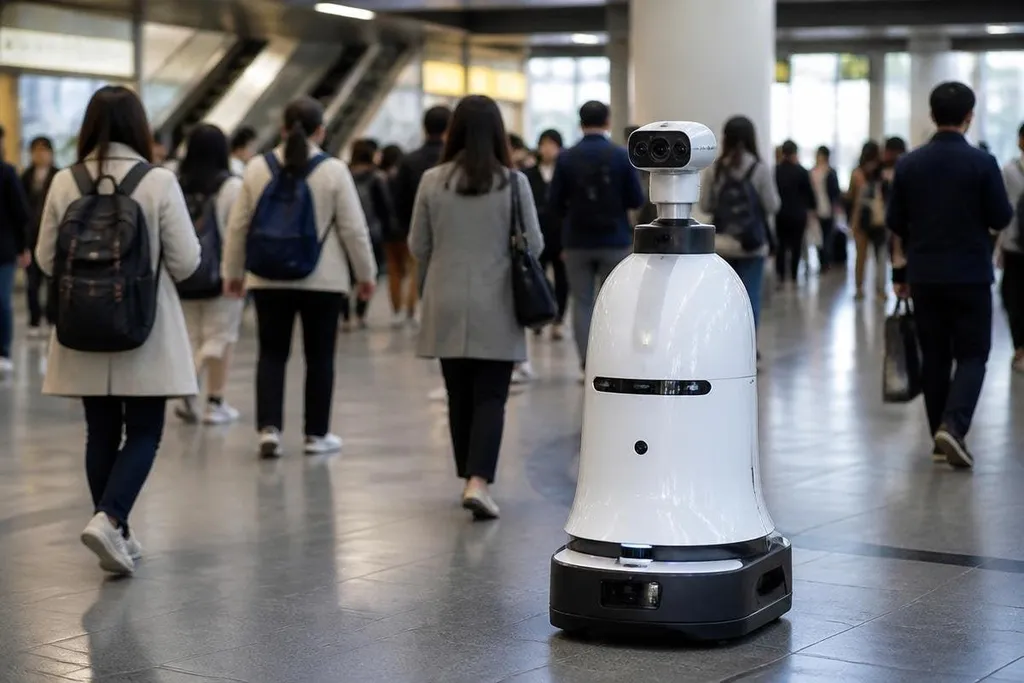
A mobile robot with cameras and microphones can collect information about people who never agreed to interact with it. Facial recognition makes the concern sharper because a face can become a way to identify, track, or deny access to someone.
The practical questions are narrow and testable. What does the robot record? Where does the data go? How long is it kept? Can a person correct a wrong match? Can they refuse the scan without losing access to a service?
A warehouse robot raises different questions from a police robot, but the method stays useful. Describe the sensor, the data flow, the human review, and the result for the person affected.
Rights disputes often turn on a robot’s sensor range, data flow, and human override. Robot 24 can put the model, task, and test setting beside the claim before the debate moves to safety and work.
Safety and work are rights questions too
A robot arm can injure someone if its speed, force, or stopping system fails. An autonomous vehicle can change how people move through a workplace or public area.
These cases require more than a claim that a person remains “in control.” The control must be real, close enough to matter, and backed by records.
Work also changes when a company uses robots to watch pace, assign tasks, or replace parts of a job. A rights review should ask who bears the risk, who can appeal a machine-made score, and whether workers can see the information used against them.
The strongest opposing view says robots may reduce exposure to dangerous work and remove some human bias. That can happen. It doesn't answer who checks the system when its sensor misses a person, its model makes a wrong call, or its operator ignores an alert.
A usable test for a robot rights case
You can assess a system without treating the robot as a person. Start with the action that affected someone, then trace the technical and human steps behind it.
Use this checklist before calling a system safe or rights-respecting:
- Name the action: identify the scan, movement, score, stop, or refusal that affected the person.
- Trace the data: record which sensor or database supplied the input and where it was stored.
- Find the decision point: identify the software rule, operator, supervisor, or company policy that led to the action.
- Check the remedy: confirm how the person can challenge the result, get a review, or report harm.
- Read the failure record: look for missed detections, false matches, emergency stops, and cases outside the test conditions.
This process also separates a robot’s real ability from a product claim. A machine may detect an object in a controlled room while failing in rain, low light, noise, or a crowded space. The rights question depends on the setting where people meet the machine.
What should happen next
Robot makers and buyers should publish the system’s purpose, sensors, human controls, data rules, and known failure cases before people rely on it. Regulators and courts can then ask a sharper question: which person or organization had the power to prevent the harm?
I'd reject any rights review that stops at the robot’s label. The useful record should connect sensor input with the consequence for a person, and that record should exist before the machine enters public use.